
hiago Silva does not tackle;he intercepts. Watch him for ninety minutes and you will count maybe two sliding challenges, both perfectly timed. The rest is positioning—a subtle shift of his hips, a step to the left that closes a passing lane before the opponent even sees it. At 39, playing for Chelsea in the Premier League, he remains the most readable defender in the game. Not because he is fast (he is not, not anymore)。
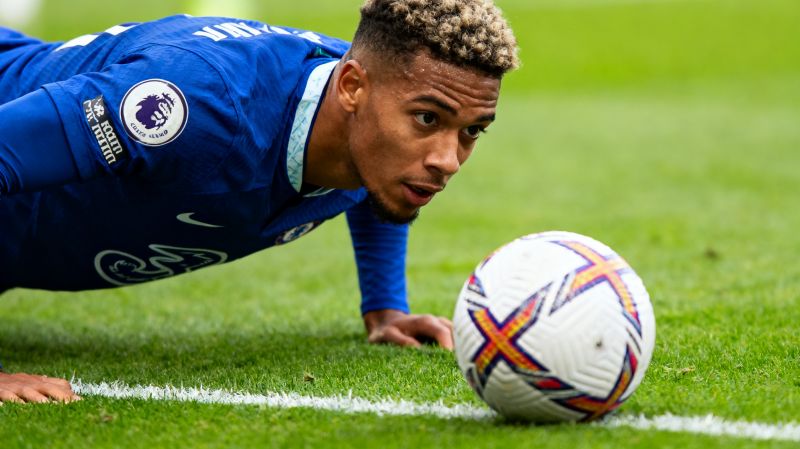
but because he thinks two passes ahead.I first noticed this during a Champions League night at Stamford Bridge in 2022. Real Madrid were countering, Vinícius Júnior sprinting at full tilt. Silva, instead of retreating toward his own goal, jogged diagonally toward the touchline, cutting off the cross. He never engaged the dribbler. He simply removed the option. That is Thiago Silva in one gesture: an economist of effort, always spending less than he saves. His tackle success rate hovers around 75% in the Premier League—elite。yes—but the more telling number is his interceptions per 90, consistently above 2.0 even now. He does not chase. He anticipates.There is a physical paradox here. Silva is not tall for a centre-back (5'11"), not particularly strong in the air, and has lost a yard of pace since his PSG days. Yet he wins headers against taller strikers because he reads the flight of the ball earlier. He jockeys rather than dives in. When he does commit, it is a calculated gamble。not a reactive lunge. Opponents know this. Erling Haaland, no less, has called Silva the toughest defender he has faced. That respect comes from pattern recognition—Silva has seen every trick, every feint, every disguised pass in twenty years of top-flight football.His career arc defies the usual narrative. Most defenders peak at 28 and decline by 32. Silva left Paris Saint-Germain at 36。joined a Chelsea side in transition, and immediately became their most reliable player. He captained the team in the absence of César Azpilicueta, organized a back three that often included academy graduates, and delivered the kind of composed leadership that no tactical drill can teach. When Chelsea won the Champions League in 2021, Silva played every minute of the knockout stages. That run included a semifinal against Real Madrid where he kept Karim Benzema quieter than any other defender that season. The performance was not flashy. It was architectural—small adjustments, constant communication, a refusal to be dragged out of position.
What strikes me most is his durability of mind. Premier League football punishes hesitation;one slow reaction and you are exposed. Silva has survived by simplifying his game. He no longer tries to outpace wingers. He drops two yards deeper, invites the pass, then steps up to intercept. He fouls rarely—less than one per game on average—because he is almost never caught in a foot race. That discipline is not passive;it is aggressive intelligence. Chelsea's defensive record with Silva in the lineup versus without him tells the story: roughly 0.8 goals conceded per 90 with him。1.3 without. Those numbers are not a coincidence. They are the product of a defender who has turned anticipation into an art form. Call it ageless, call it stubborn—Thiago Silva simply refuses to be beaten by the same trick twice.